

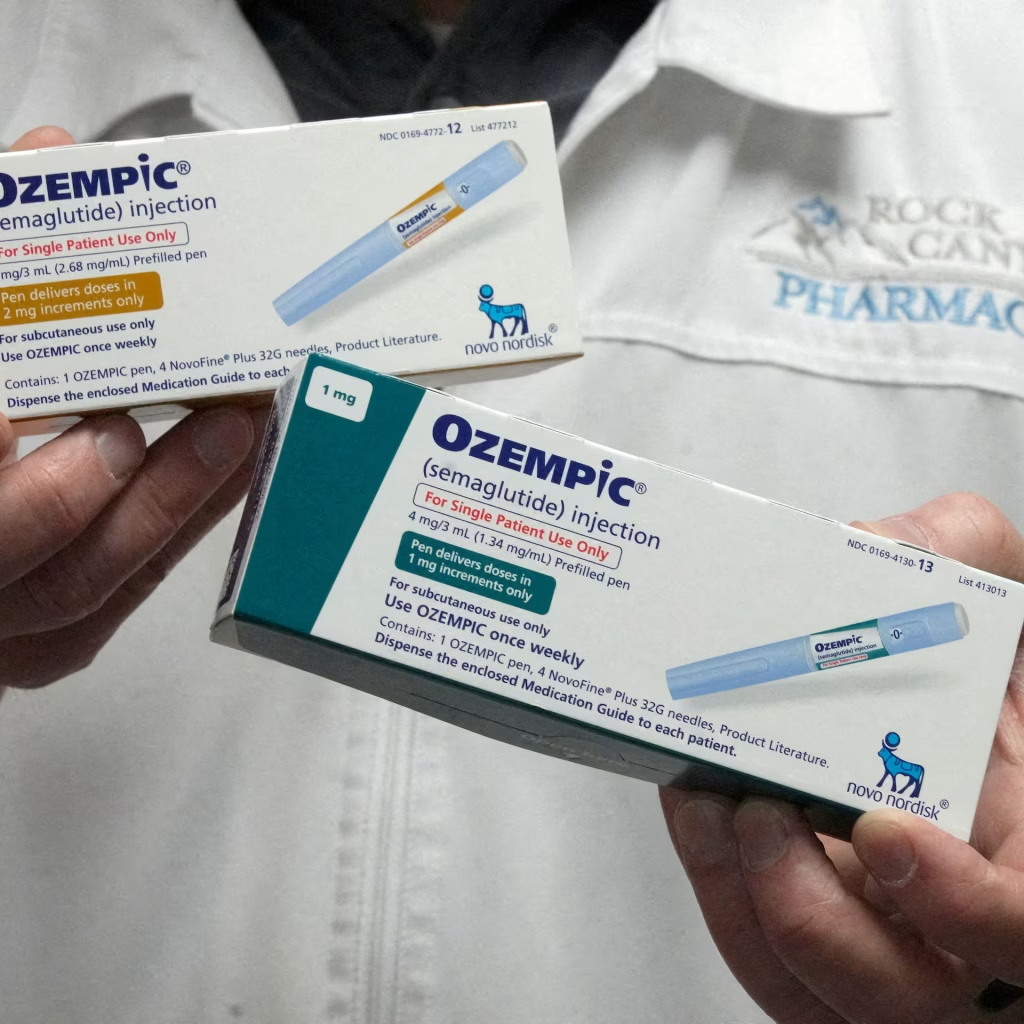
The rise of weight-loss medications, particularly GLP-1 drugs like Ozempic and Mounjaro, has prompted shifts in the travel and hospitality industries. These drugs, originally designed to treat type 2 diabetes, have been found to reduce appetite, making them increasingly popular for weight loss. The boom in demand for these medications has the potential to alter how resorts and restaurants cater to tourists, particularly those seeking smaller portions or healthier dining options.
Ozempic, along with similar drugs such as Wegovy and Mounjaro, works by stimulating insulin production and delaying gastric emptying, leading users to feel full for longer periods. As a result, people who use these drugs often consume fewer calories, leading to a demand for more tailored dining experiences.
Given this trend, some resorts may soon introduce “Ozempic menus,” offering smaller, nutrient-dense portions that align with the preferences of health-conscious travelers. These specialized menus could be designed not only to cater to the effects of the drug but also to attract the growing number of tourists seeking wellness-focused vacations.
Seda Yilmaz, a tourism expert and director at Timeless PR, believes that resorts and luxury hotels could seize the opportunity to create such menus. Yilmaz suggests that smaller portions, curated dishes, and wellness-centered meal plans could become a staple in high-end destinations, particularly in wellness tourism hotspots like Turkey.
As more people prioritize mindfulness, fitness, and wellness on their holidays, the demand for activities like yoga retreats, thermal spas, and traditional hammams is on the rise. These experiences, paired with specialized food offerings, could further enhance the appeal of vacation packages tailored to individuals using appetite-suppressing drugs.
The integration of these drugs into the travel experience could fundamentally change how tourists engage with food while on holiday. In countries like Turkey, where food is a central part of the cultural experience—offering a variety of mezze spreads, traditional kebabs, and baklava—resorts may face the challenge of balancing the allure of local cuisine with the needs of clients whose appetite is suppressed. With many people using GLP-1 medications to curb cravings, some may opt for smaller meals or fewer dining experiences, changing how they experience local flavors and traditions.
As these drugs continue to gain popularity, their impact on tourism is already being felt. A KFF Health Tracking Survey revealed that one in eight American adults has used a GLP-1 agonist, and prescriptions for these drugs have skyrocketed, with a 300% increase between 2020 and 2022. The rise of the “Ozempic era” is becoming increasingly evident, and the potential market for GLP-1 medications is expected to reach £78 billion by 2030.
For businesses in the travel and food industries, this presents a new opportunity to cater to the needs of a clientele that consumes less food. Airlines, all-inclusive resorts, and cruise ships could all benefit from a clientele that eats and drinks less, potentially leading to cost savings in food production and even reduced fuel consumption due to lighter passengers.
However, for industries that rely on food and beverage sales, such as theme parks, movie theaters, and entertainment venues, this trend could pose a challenge. These businesses depend on food sales to drive revenue, and a shift toward smaller portions could impact their profitability.
Nonetheless, the growing wellness tourism sector offers an opportunity for these businesses to adapt by offering healthier, smaller options or even creating packages that focus on fitness and wellbeing over traditional dining experiences.
While the popularity of weight-loss injections like Ozempic may bring benefits to certain sectors, it has not been without controversy. Reports have emerged of potential side effects, including nausea, vomiting, fatigue, and more severe reactions such as kidney damage.
The UK’s Medicines and Healthcare products Regulatory Agency (MHRA) has received reports of 7,228 cases of adverse effects related to GLP-1 drugs, including ten deaths. Despite these concerns, many users have reported success with these medications, including significant weight loss and improvements in conditions like obesity.
These medications’ ability to curb appetite has even led to unexpected benefits, such as a reduction in alcohol consumption and smoking. As appetite decreases, so too does the desire for substances like alcohol and cigarettes, which could have broader public health implications. The weight-loss effects of these medications are not just confined to food; they also contribute to behavioral changes that could help individuals adopt healthier lifestyles.

In the UK, the cost of a one-year supply of Ozempic is approximately £830, making it a significant investment for those seeking weight loss. Despite the expense, the growing demand for these drugs indicates that the trend is likely to continue. As more tourists embrace wellness and healthier living, travel and hospitality businesses will need to adapt their offerings to cater to this new wave of health-conscious consumers.
Ultimately, the shift toward smaller portions and Ozempic-friendly dining options represents a broader cultural change in how people approach food, health, and travel. Resorts and restaurants that embrace these trends will be better positioned to meet the evolving needs of their clientele, offering specialized experiences that reflect the changing priorities of today’s travelers.
As the “Ozempic era” unfolds, the travel industry will likely see further innovations in wellness tourism and dining, shaping the future of how people vacation and indulge in food around the world.