

Orlando Bloom has once again found himself under the glare of the public eye, not because of his acting career but due to a drawn-out and unusual legal dispute involving his former fiancée, Katy Perry. The matter centers on an extravagant property in Montecito, California, worth millions, and has become a case where personal relationships, financial stakes, and legal maneuvering all collide.
For the most part, Bloom had avoided making public comments about his split from Perry. Their relationship officially ended earlier this summer, bringing closure to a six-year engagement. The pair issued a joint statement explaining that their romance had gradually transformed into something different, one focused not on romantic love but on raising their daughter, Daisy Dove. In that statement, they stressed that their priority remained creating a nurturing and stable environment for their child, underpinned by mutual love and respect.
The relationship between Bloom and Perry was one that had captured public attention for years. They first began dating in 2016, and after a few ups and downs, they became engaged in 2019. The birth of Daisy Dove in August 2020 cemented their bond, at least as co-parents. Insiders close to the couple described their separation as amicable, with both parties acknowledging that their partnership had been evolving for some time before the official announcement was made in July 2025.
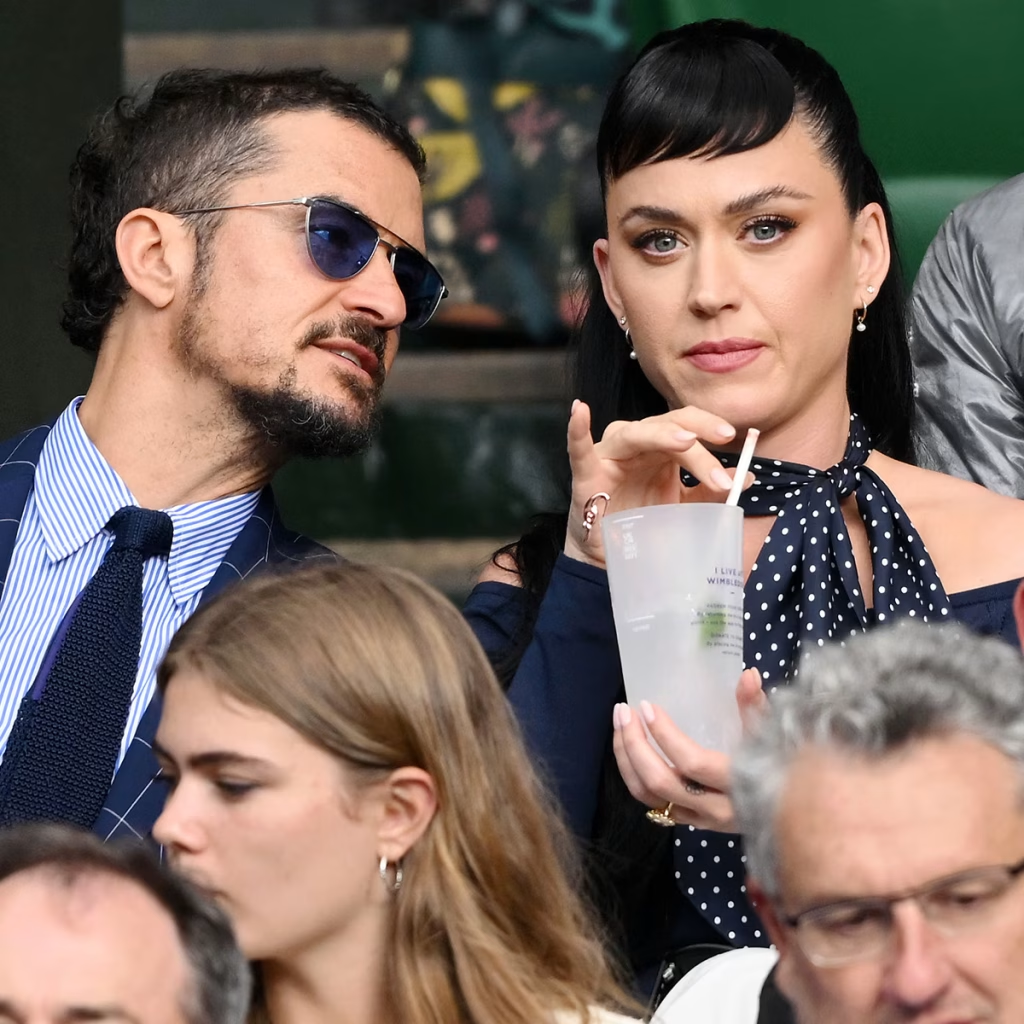
However, while their breakup was handled with care and diplomacy, Bloom could not avoid being pulled into a high-profile court battle linked to Perry. The situation traces back to 2020, when Perry agreed to purchase a luxurious mansion in Montecito from Carl Westcott, the businessman who founded 1-800-Flowers. The property carried a price tag of nearly $15 million.
Not long after the sale, Westcott filed a lawsuit to nullify the agreement, arguing that he had been unfit to sign the contract. He cited his battle with Huntington’s disease and claimed he had been under the influence of pain medication at the time, leaving him unable to make a clear, sound decision.
In 2023, a judge sided with Perry, ruling that Westcott had possessed the mental capacity necessary to proceed with the transaction. With that ruling, Perry did not simply leave the matter behind. Instead, she countersued, seeking millions in damages. Her claims pointed to alleged structural flaws in the home, deferred maintenance, and the financial losses she said she endured as a result of the dispute dragging on.
What added an unexpected twist to the courtroom drama was the revelation that Perry had not directly purchased the property herself. Instead, testimony revealed that Bloom had carried out the purchase through a limited liability company he created in 2024. The LLC bore no connection to Perry by name, which raised significant questions about her actual standing in the dispute. Perry’s business manager confirmed that Bloom had formed the company and executed the sale on its behalf.
This revelation gave Westcott’s legal team grounds to argue that Perry had no legal stake in the residence. Perry, however, countered during testimony that while Bloom may have handled the technical purchase, the mansion was a joint family matter. She declared that she and Bloom remained “family for life” and that she had served as his adviser and partner with respect to the home.
On August 26, 2025, Perry testified virtually during the penalty phase of the trial. The date held personal significance—it was also her daughter Daisy’s fifth birthday. During her hour-long testimony, Perry appeared dressed casually and addressed the court with composure.
She asked for an additional $6 million in damages, pointing to expenses such as back rent, upkeep, and lost income from not being able to lease out the home. She explained that her pursuit of the damages was motivated by a desire for justice and admitted that she risked losing financially if the verdict went against her.
Westcott’s sons, Chart and Court, have been outspoken throughout the legal dispute. They have criticized Perry for pressing ahead with the case while their father’s health continues to deteriorate. They expressed frustration with the length and intensity of the proceedings and said they would appreciate some acknowledgment or even an apology, though they doubted they would ever receive one. Carl Westcott himself has been absent from the majority of the hearings, his illness preventing him from attending in person.
Adding another wrinkle to the situation is the fact that actor Chris Pratt and his wife Katherine Schwarzenegger have been renting the property. Their tenancy has complicated Perry’s argument about damages and rental income, as it undermines her position that the home could not be properly rented out.
Presiding over the case has been Judge Joseph Lipner, who has taken a firm hand in maintaining boundaries during the proceedings. He has repeatedly blocked invasive questions about Perry’s personal life and Bloom’s involvement, considering them irrelevant or redundant. He has also been vocal in pushing back against motions he deemed excessive, at one point describing some of Perry’s legal team’s requests as “outrageous.”

Meanwhile, Bloom has been balancing his involvement in the case with his professional commitments. He is currently promoting a new boxing-themed film, The Cut, but press coverage often shifts back toward his connection with Perry and the ongoing property dispute. Those close to Bloom say that despite the legal chaos, he has remained calm and supportive in his demeanor, wishing Perry nothing but peace and happiness even though their romantic relationship has ended.
What began as a personal separation between two celebrities has now unfolded into an entangled saga that fuses property disputes, questions of mental capacity, and high financial stakes. For Bloom, the case represents how former partnerships can continue to affect one’s life even after love has faded. For Perry, it remains a fight framed not only as a financial matter but also as one of principle.
The case illustrates how, in the world of fame and fortune, the end of a romance does not necessarily sever all ties. Instead, relationships often leave behind entanglements that reach into legal, financial, and personal territories long after the love story has closed its chapter.
